
The Science Behind Bed Bug Insecticide Resistance (And Why It Matters)
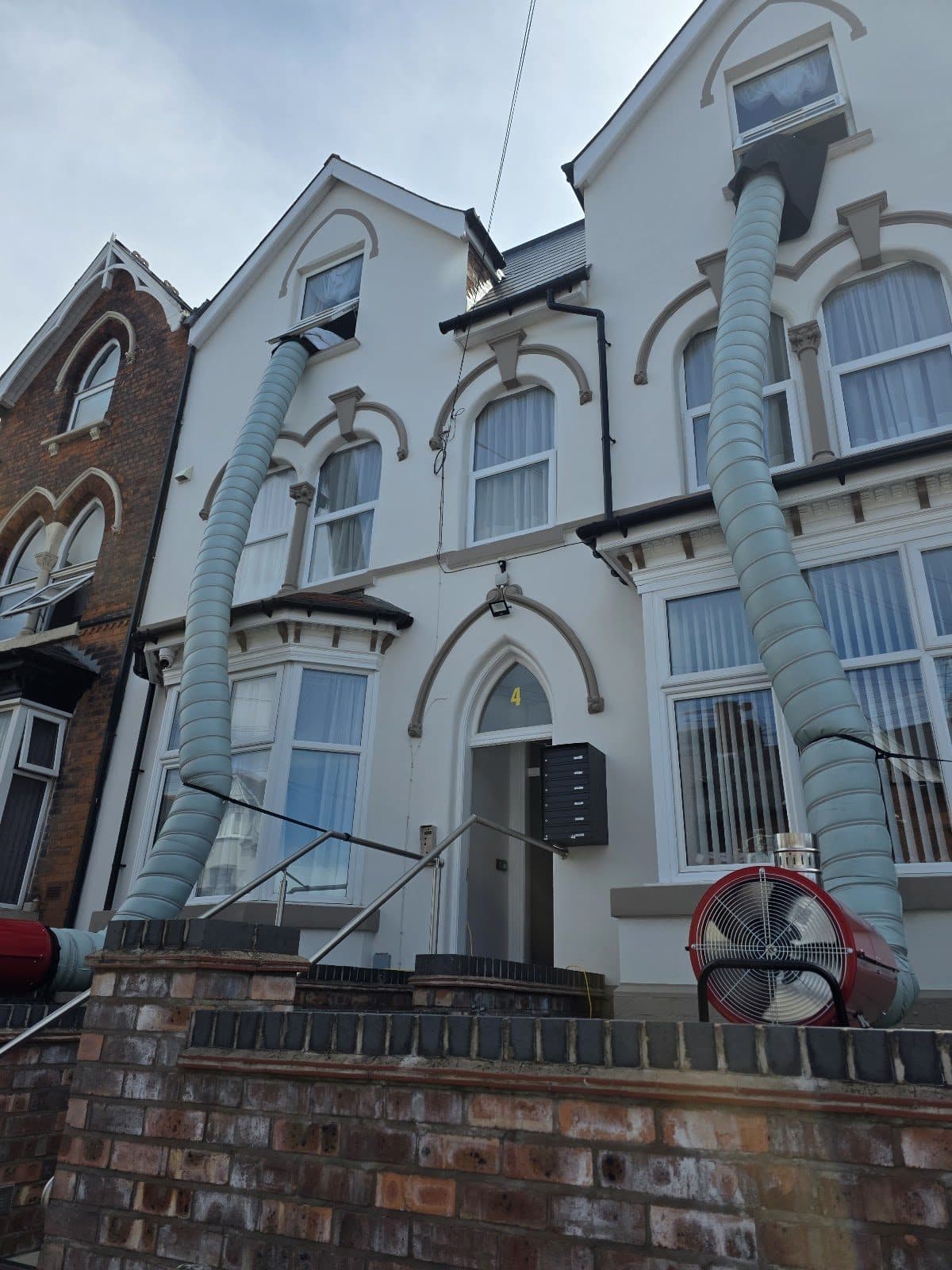
If you’ve sprayed a bed bug infestation and watched it come back weeks later, you’re not doing anything wrong — you’re up against a genuinely tougher insect than the one your parents’ generation dealt with. Bed bugs across the UK have been quietly evolving resistance to the chemicals used to kill them for years, and understanding how that resistance works explains why so many DIY and even some professional chemical treatments are failing in 2026.
What Is Insecticide Resistance?
Insecticide resistance happens when a pest population survives repeated exposure to a chemical, and the survivors pass on genetic traits that helped them live through it. Over successive generations, more and more of the population inherits those traits, until the chemical stops working effectively at all. Bed bugs breed quickly — a female can lay several eggs a day — so resistant populations can build up fast wherever chemical treatment is used repeatedly without success.
How Bed Bugs Resist Chemical Treatment
Researchers have identified several distinct ways bed bugs defend themselves against the pyrethroid insecticides used in most shop-bought sprays and many professional treatments:
- Cuticle thickening — some resistant bed bugs develop a thicker outer shell (cuticle), which physically slows down how quickly the insecticide can penetrate and reach a lethal dose.
- Metabolic resistance — resistant bugs produce higher levels of detoxifying enzymes that break down the insecticide before it can take effect, essentially neutralising the chemical inside their own bodies.
- Knockdown resistance (kdr mutations) — a genetic mutation that changes the shape of the nerve receptors pyrethroids are designed to target, meaning the chemical can no longer bind properly and disrupt the nervous system.
Many resistant populations use more than one of these mechanisms at once, which is part of why a single spray or fogging treatment so often fails to finish the job — and why the survivors go on to produce an even more resistant generation.
Is There a New Chemical Fix?
Pest science researchers continue to test new active ingredients, and some newer compounds have shown promising results against resistant lab populations. But entomologists studying the problem are consistent on one point: no single chemical solution is likely to solve bed bug resistance permanently, because the insects can evolve defences against new chemistries too, just as they did with pyrethroids. Most experts now recommend an integrated approach that doesn’t rely on chemicals alone.
Why Heat Treatment Isn’t Affected By Any Of This
This is the key reason professional heat treatment has become the preferred method for bed bug eradication across the UK. Heat treatment doesn’t rely on a chemical reaction at all — it works by raising the air temperature in a room to a sustained 50–60°C, which is lethal to bed bugs, nymphs, and eggs simply through heat exposure. There is no cuticle, enzyme, or nerve receptor mutation that allows an insect to survive prolonged exposure to that temperature. A bed bug’s resistance to insecticides is completely irrelevant when the problem it’s facing is heat, not chemistry.
This is also why heat treatment can eliminate an infestation in a single visit, while chemical treatment usually requires multiple follow-up appointments and still risks leaving survivors behind in resistant populations.
What This Means If You Have Bed Bugs
If you’re dealing with an active infestation, it’s worth assuming the population could be at least partially resistant to shop-bought sprays — UK-wide surveys have found resistance markers in a significant proportion of tested populations. Repeated DIY spraying that doesn’t work isn’t just wasted money; it can make the problem harder to treat later by selecting for the most resistant survivors.
Professional Heat Treatment in the Midlands
At Midlands Bed Bug Heat Treatment Limited, we use professional thermal equipment that eliminates bed bugs at every life stage in a single visit — regardless of any insecticide resistance in the local population. If you suspect an infestation, contact us or call 0121 751 3341 for a same-week appointment.