
Bed Bug Warning UK 2026: Why Infestations Are Rising and What to Do
Bed bug infestations across the UK have been climbing steadily since the high-profile Paris outbreak in 2023, and pest control companies are reporting that the problem shows no sign of slowing down heading into 2026. Much of the concern is being driven by what travellers are seeing across Europe — and by how easily bed bugs make the trip back to British homes. If you’ve noticed unexplained bites, small bloodstains on your sheets, or dark spots on your mattress, you’re not alone — and it’s important to act quickly.
Why Are Bed Bug Cases Rising in the UK?
Several factors are driving the increase in bed bug infestations across Britain:
1. International Travel Is Recovering
Bed bugs are expert hitchhikers. They spread almost entirely by latching onto luggage, clothing, and second-hand items. As international travel volumes returned to pre-pandemic levels and continued growing through 2025, bed bugs have had ample opportunity to spread from affected countries — particularly across Europe — into UK homes and hotels.
2. Insecticide Resistance
Many UK bed bug populations have developed significant resistance to pyrethroid insecticides — the active ingredient in most shop-bought bed bug sprays. This means DIY chemical treatments are increasingly ineffective, and bugs that survive a chemical spray reproduce and pass on their resistance to the next generation. The result is a population of bed bugs that is harder than ever to kill with conventional products.
3. The Second-Hand Furniture Market
The cost of living crisis has pushed more households towards buying second-hand furniture from marketplace apps, auction sites, and charity shops. While this is understandable, second-hand mattresses, sofas, and bed frames are among the most common ways bed bugs enter a property. A single infested item can introduce dozens of bugs and hundreds of eggs into your home.
4. Warmer UK Summers
Bed bugs thrive in warmth. As UK summers have become progressively warmer, the conditions for bed bug activity and reproduction have improved. A bed bug can lay between one and five eggs per day in the right conditions, meaning a small infestation can become a serious problem very quickly.
Bed Bugs in Europe: What UK Travellers Should Know in 2026
Since 2023, bed bugs in major European cities have rarely been out of the headlines. Paris drew the most attention in the run-up to a summer of major events, but reports of bed bugs on public transport, in hotels and in short-term lets have come from cities right across the continent. The concern has not gone away heading into 2026.
Bed bugs don’t respect borders. They travel in the seams of suitcases, in the folds of clothing, and on trains, planes and coaches. For most UK travellers, the real risk isn’t being bitten while you’re away — it’s unknowingly carrying a single pregnant female home in your luggage. One female can start an entire infestation, and you may not see any sign of it for weeks.
That is why so many UK infestations can be traced back to a recent trip abroad or a stay in a hotel or hostel. If you’ve travelled recently and started noticing bites or spotting on your bedding, it’s worth taking the possibility seriously. For a simple, room-by-room method to spot bed bugs before you unpack, read our guide on how to check for bed bugs in a hotel.
Is There a “Bed Bug Season”?
Bed bugs live indoors, close to where people sleep, so they never truly die off in winter — a heated home keeps them active all year round. But their activity, breeding and, above all, their spread do increase in the warmer months.
There are two reasons for the summer-to-autumn spike pest controllers typically see. First, people travel far more between late spring and early autumn, giving bed bugs more opportunities to hitch a ride home. Second, warmth speeds up the bed bug life cycle: eggs hatch faster and bugs reach breeding age sooner. A handful of bed bugs picked up in July can become a serious, well-established infestation by September if nothing is done.
How to Tell If You Have Bed Bugs
Early detection is crucial. Common signs of a bed bug infestation include:
- Bites on your skin — often in lines or clusters on areas exposed during sleep (arms, neck, legs). Not everyone reacts to bed bug bites, so the absence of bites doesn’t mean the absence of bugs.
- Small bloodstains on bedding — caused by bugs being crushed after feeding.
- Dark or rusty spots on your mattress, headboard or walls — bed bug excrement.
- A sweet, musty smell — a heavy infestation can produce a distinctive odour.
- Shed skins or eggs — bed bugs moult as they grow; look in mattress seams, behind headboards, and along skirting boards.
What Should You Do If You Find Bed Bugs?
The most important thing is not to panic — but also not to wait. Bed bug infestations grow quickly, and the longer you leave them, the harder and more expensive they become to treat.
Do not rely on shop-bought sprays. Given the high levels of insecticide resistance in UK bed bug populations, over-the-counter products are unlikely to solve the problem. They may kill some bugs on contact but will not reach eggs hidden in seams, crevices, or wall cavities.
Do not move infested items into other rooms. This spreads the infestation. Keep affected items in place until a professional has assessed the situation.
Call a specialist. Professional heat treatment is the most effective method available for bed bug eradication in the UK. Temperatures of 50–60°C kill bed bugs at every life stage — including eggs — in a single treatment session.
How to Avoid Bringing Bed Bugs Home
A few simple habits dramatically reduce the chance of a holiday or hotel stay turning into an infestation back home:
- Keep luggage off the bed and floor when you arrive — use the luggage rack or the bathroom, where bed bugs are least likely to hide.
- Check the room before you unpack — inspect the mattress seams, headboard and bedside furniture.
- Unpack straight into a hot wash when you get home, and tumble dry on high heat — sustained heat kills any stowaways.
- Don’t store your suitcase under the bed — keep it in a garage, loft or hard-floored area away from where you sleep.
Our full room-by-room checklist, including what to do the moment you get home, is in our hotel bed bug guide.
Professional Bed Bug Treatment in the Midlands
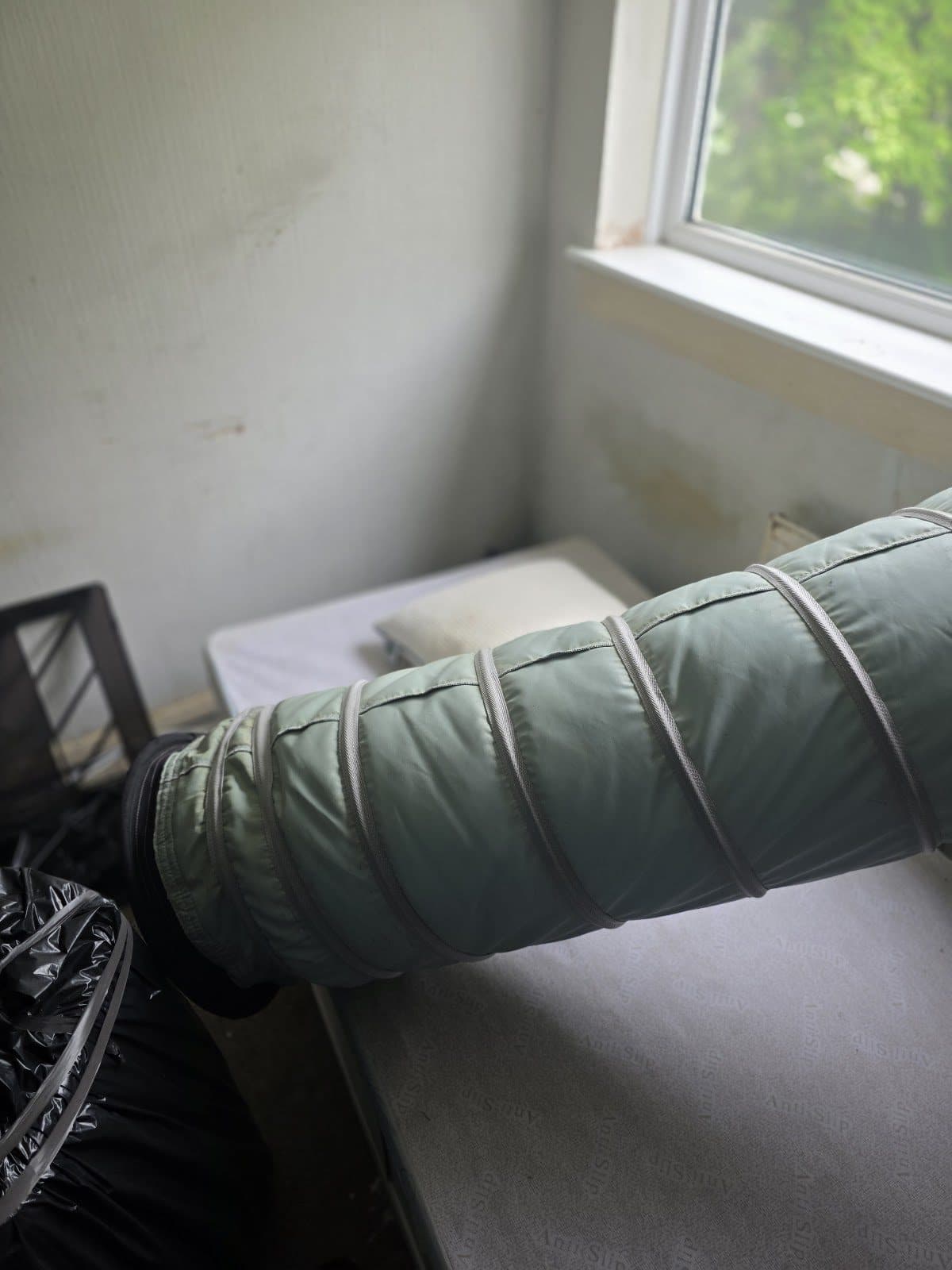
At Midlands Bed Bug Heat Treatment Limited, we provide specialist heat treatment for bed bugs across Birmingham, Coventry, Leicester, Nottingham and the wider Midlands region. Our technicians use professional-grade thermal equipment to treat your property thoroughly in a single visit, and you can return to a clear home the same day. If you’re in the city, see our dedicated page on bed bug treatment in Birmingham.
If you suspect a bed bug problem, don’t delay. Contact us or call 0121 751 3341 for same-week appointments.
Bed Bug Warning 2026 FAQ
Are bed bug infestations really getting worse in the UK?
Yes. Pest control professionals have reported rising bed bug activity across the UK since 2023, driven by recovering international travel, widespread insecticide resistance, growth in the second-hand furniture market, and warmer summers. All four factors are still in play in 2026.
Are bed bugs common in Europe right now?
Bed bugs have been widely reported in major European cities and on public transport since 2023, and the concern has continued into 2026. For UK travellers, the main risk is carrying bed bugs home in luggage rather than being bitten abroad.
Can you bring bed bugs home from a holiday?
Yes — it’s one of the most common ways infestations start. A single bed bug in a suitcase seam or a fold of clothing can establish a new infestation at home. Checking your room on arrival and washing everything on a hot cycle when you return greatly reduces the risk.
Do bed bugs go away in winter?
No. Bed bugs live in heated homes year-round and do not die off in cold weather. Their spread slows in winter because people travel less, but any established infestation will continue to grow indoors until it is treated.
What kills bed bugs for good?
Professional heat treatment is the most reliable method. Raising the room to 50–60°C kills bed bugs at every life stage, including eggs, in a single session — something shop-bought sprays cannot achieve against resistant UK populations.