
Can You Get Rid of Bed Bugs Yourself? Why DIY Fails
Rarely, and almost never permanently. Bed bugs are one of the hardest household pests to eliminate — not because they are dangerous, but because of where they hide and how resistant their eggs are to almost everything you can buy in a shop.
Why People Try DIY First
The instinct when you discover bed bugs is to act immediately. Shop-bought sprays and online advice seem like a fast, affordable first step. Initially they can appear to work — the biting reduces, visible activity slows down. But within two to three weeks, the infestation is back. Often worse than before.
The Problem with Sprays and Pesticides
Most shop-bought bed bug sprays are contact killers — they kill only the bugs they directly touch. The larger problem is that many contain repellent compounds that cause bed bugs to scatter and retreat into deeper hiding spots: wall voids, behind skirting boards, inside electrical sockets.
Repellents spread the infestation.
When bed bugs sense a repellent they move — into rooms they were not previously in. What started as a bedroom problem can become a whole-property infestation within days of using the wrong product.
Eggs Are Immune to Almost Everything
This is the fundamental flaw in chemical DIY treatment. Bed bug eggs are coated in a protective shell that makes them highly resistant to pesticides. You might kill 80–90% of adult bugs with a spray — but every egg that survives will hatch within 10–14 days and restart the cycle. The only method proven to kill eggs reliably is sustained heat above 48°C. No shop-bought product achieves this.
Where Bed Bugs Actually Hide
Bed bugs do not just live on the mattress. A typical infestation is spread across dozens of harborage points — all within a few metres of where people sleep:
- Mattress seams, tufts, and buttons
- Box spring frames and fabric
- Headboard joints and screw holes
- Behind wall sockets and light switch plates
- Inside picture frames and mirrors
- Carpet edges and underlay
- Cracks in skirting boards and plaster
- Behind peeling wallpaper
- Inside furniture joints and drawer runners
A surface spray on a mattress reaches perhaps 5% of where bed bugs are actually living. The rest are completely untouched.
10–14
days for eggs to hatch after a chemical spray
200+
eggs a female lays in her lifetime
1 year
bed bugs can survive without a blood meal
What About Diatomaceous Earth?
Diatomaceous earth (DE) damages the waxy outer coating of bed bugs, causing them to dehydrate. It can kill bugs that walk directly through it — but only over a period of weeks to months, and it has no effect whatsoever on eggs. As a standalone treatment for an active infestation, it is not a solution.
What About Freezing?
Cold kills bed bugs — but only at sustained temperatures below -18°C held for at least 72 hours. A household freezer may not reliably reach this temperature, and even if it does, you cannot freeze a bedroom. Freezing can be useful for treating individual infested items, not a whole-property infestation.
Why Heat Treatment Is Different
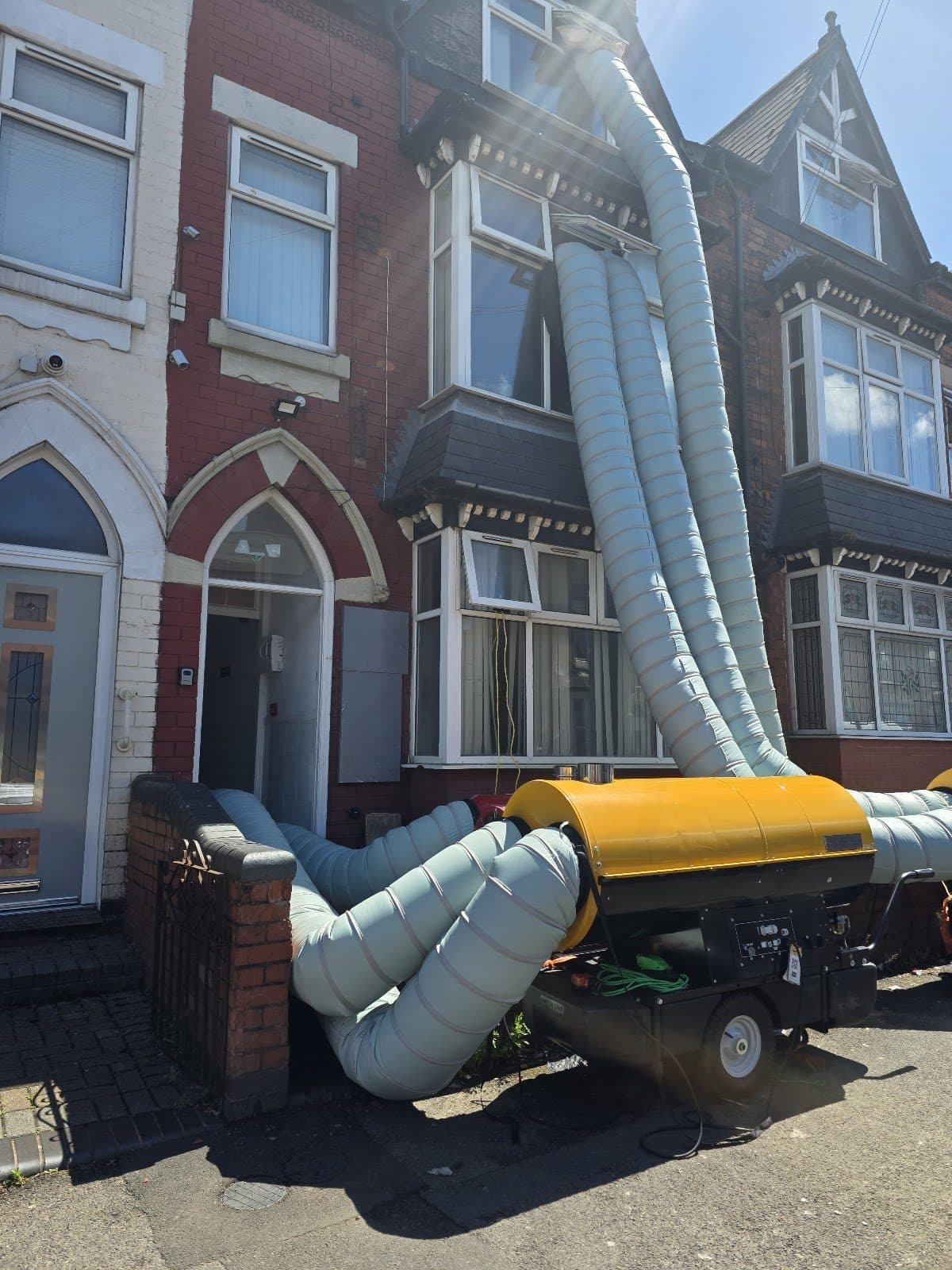
Professional heat treatment raises the temperature of the entire room — every surface, every crack, every seam — above 56°C and holds it there. There is nowhere for bed bugs to escape to, and nothing protecting the eggs. A single properly conducted treatment eliminates the entire infestation in one day, with no chemical residue and no need to bag every item in the house.