
Where Do Bed Bugs Come From? What Actually Causes an Infestation
One of the first things people ask when they find bed bugs is: where did these come from? It is a fair question, and the answer is reassuring — bed bugs have nothing to do with how clean or tidy your home is. They are hitchhikers, and they get into the smartest and the humblest homes alike.
Bed bugs are travellers, not signs of dirt
Let us clear up the biggest myth straight away: bed bugs are not caused by mess, poor hygiene or a dirty home. They feed on blood, not crumbs, so a spotless house is just as attractive to them as any other. Anyone can get bed bugs, and there is no shame in it — the world’s best hotels deal with them regularly.
The real ways bed bugs get into your home
Travel and hotels
This is the single most common route. Bed bugs climb into luggage, clothing and bags during a hotel, hostel or Airbnb stay and travel home with you. It only takes one pregnant female to start an infestation. Our guide on how to check a hotel room covers how to avoid this.
Second-hand furniture
Beds, sofas, mattresses and wardrobes bought or picked up second-hand are a classic source — bugs and eggs travel in the seams and joints. Always inspect used furniture carefully before bringing it inside.
Shared walls and neighbouring properties
In flats, terraces and HMOs, bed bugs can migrate along cavities, pipework and wiring from a neighbouring property. This is why one infested home in a terrace can put the whole row at risk.
Public transport, workplaces and visitors
Bed bugs can be picked up on trains, buses, in cinemas, at work, or brought in on a visitor’s bag or coat. These routes are less common than travel and furniture, but they do happen — particularly in areas with high footfall.
Why they spread so fast once inside
A single female bed bug can lay hundreds of eggs in her lifetime, and a population can double roughly every two weeks. That is why a problem ignored for a month becomes dramatically harder to treat than one caught in the first few days. If you think you have brought bed bugs home, checking early is well worth it — see our room-by-room checking guide.
How to reduce your risk
- Inspect hotel and rental beds before unpacking, and keep luggage off the floor and bed.
- Never bring second-hand furniture inside without checking the seams and joints thoroughly.
- Wash and hot-tumble-dry clothing after travel, especially after hostels or budget stays.
- If you live in a flat or terrace and a neighbour has bed bugs, act early — do not wait to see if they reach you.
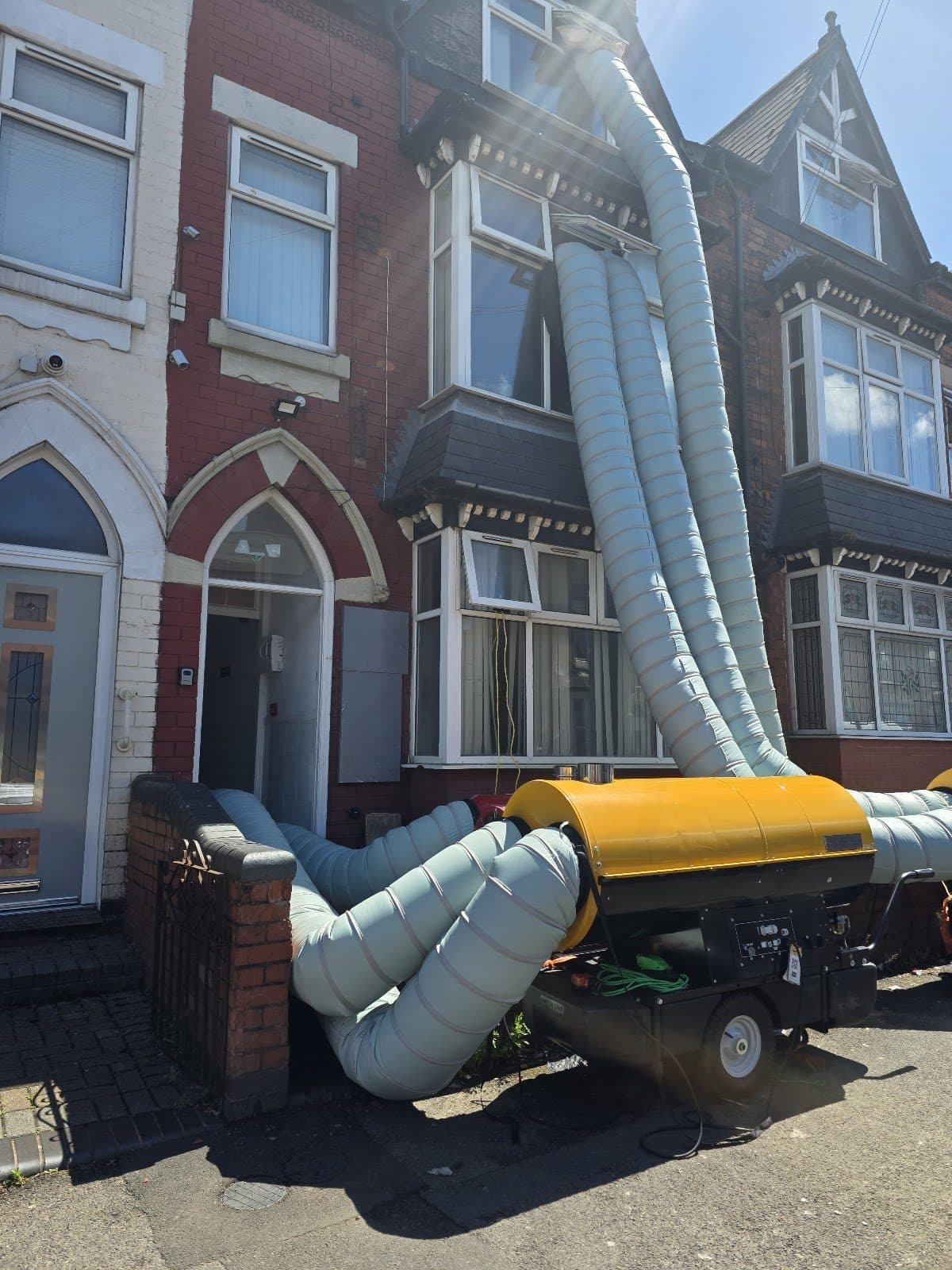
If bed bugs have already made it in, the good news is that a professional heat treatment ends the infestation in a single visit, regardless of how they arrived.
Frequently asked questions
Do bed bugs mean my house is dirty?
No. Bed bugs feed on blood, not dirt or crumbs, so cleanliness makes no difference to whether you get them. They are hitchhikers that travel in on luggage, second-hand furniture and clothing, and they affect the cleanest homes and the finest hotels alike.
What is the most common cause of bed bugs?
Travel is the number one source — bed bugs climb into luggage and clothing during hotel, hostel or Airbnb stays and come home with you. Second-hand furniture and, in flats and terraces, spread from neighbouring properties are the next most common routes.
Can bed bugs come through walls from a neighbour?
Yes. In flats, terraces and HMOs, bed bugs can migrate along wall cavities, pipework and wiring from an infested neighbouring property. If a neighbour has bed bugs, it is worth acting early rather than waiting to see if they reach you.