
Why UK Pest Controllers Are Switching to Heat Treatment in 2026
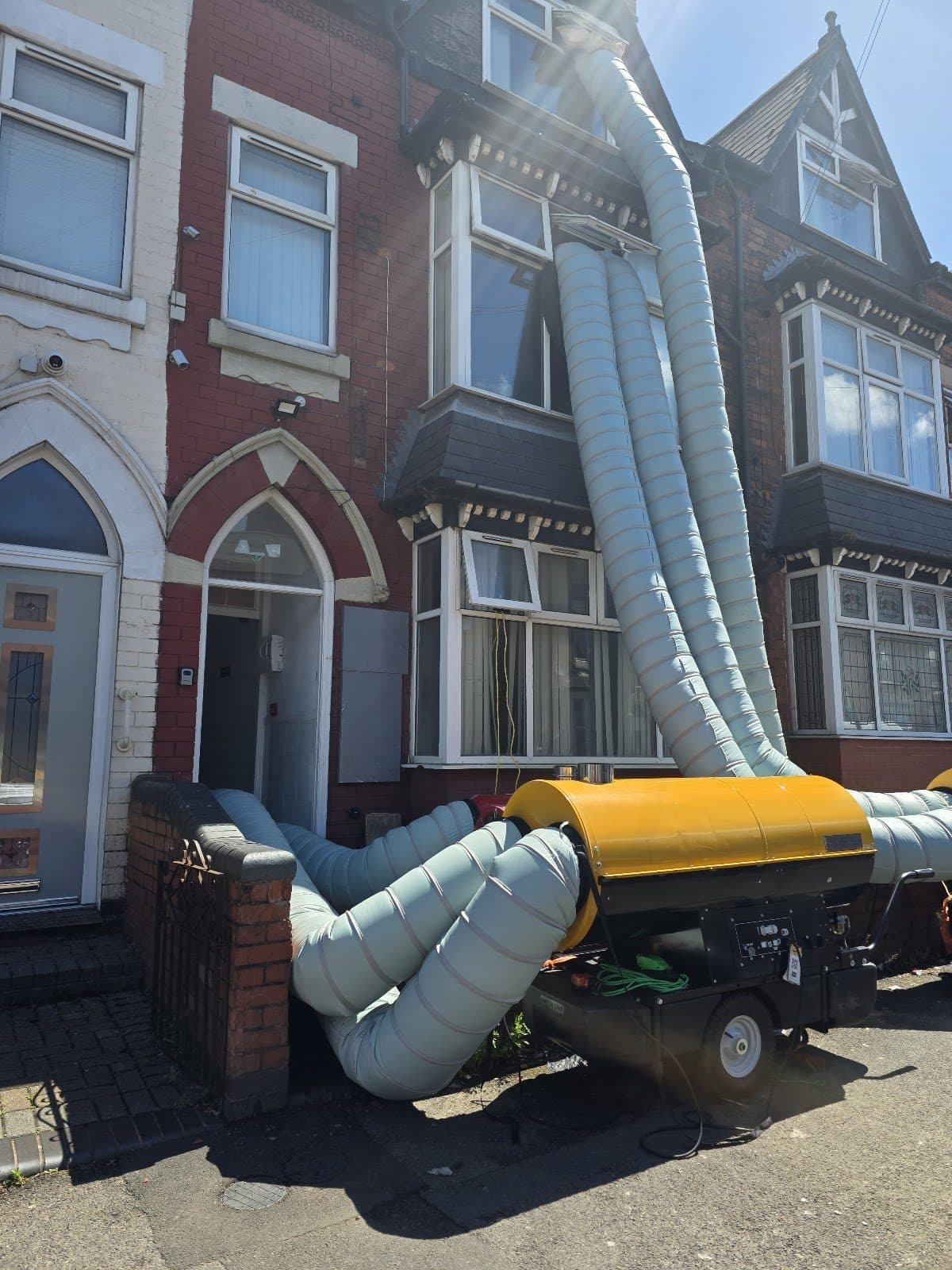
Something has shifted in how the UK pest control industry deals with bed bugs. For years, chemical spraying was the default first call. Increasingly through 2025 and into 2026, professional pest controllers — including hotel and landlord contractors — are turning to heat treatment as the primary method, not a last resort. Here’s what’s driving the change.
Chemical Treatment Is Failing More Often
The single biggest factor is insecticide resistance. As bed bug populations across the UK have built up resistance to pyrethroid sprays, pest controllers have seen chemical-only treatments fail or require repeat visits far more often than they used to. For a professional business, repeat callouts on a job that was supposed to be finished cost time, money, and reputation — and for the customer, it means living alongside an active infestation for weeks longer than necessary.
Housing Density and the Cost of Living Are Adding Pressure
Higher-density housing, more shared and multi-occupancy properties, and a cost of living squeeze that pushes households towards cheap second-hand furniture and DIY treatments have all combined to increase the number and severity of infestations pest controllers are being called out to. A cheap spray that doesn’t fully work on a resistant population, applied by a homeowner trying to save money, often makes an infestation worse by the time a professional gets involved — the surviving bugs are the hardest ones to kill.
Hotels and Landlords Need a One-Visit Solution
For hotels, HMOs, and landlords, a room or unit being out of action for multiple chemical treatment visits spaced weeks apart is expensive and disruptive. Heat treatment’s single-visit model — typically 4–8 hours to treat an entire room and every life stage of the infestation in one go — fits commercial and rental timelines far better than a chemical programme that can take a month or more to confirm success.
What Heat Treatment Does That Chemicals Can’t
- Kills eggs, not just live bugs — chemical sprays largely fail to kill bed bug eggs, meaning newly hatched nymphs can restart an infestation. Sustained heat kills every life stage in the same session.
- Reaches hidden harbourage points — heat penetrates mattress padding, wall cavities, and skirting board gaps that sprays often can’t reach effectively.
- Isn’t affected by insecticide resistance — a bed bug’s resistance to pyrethroids offers it no protection against heat, since the two work through completely different mechanisms.
- Doesn’t rely on repeat visits — most heat treatments are a single appointment, compared to the 2–3 follow-up visits chemical programmes typically require.
The Trend Isn’t Slowing Down
With international travel continuing to recover and bed bug resistance showing no sign of reversing, the pest control industry’s shift toward heat as the primary method looks set to continue. For homeowners and landlords dealing with an active infestation, it means the “spray first, ask questions later” approach that used to be standard is increasingly seen as the slower, less reliable option — not the safe default.
Professional Heat Treatment in the Midlands
Midlands Bed Bug Heat Treatment Limited provides specialist thermal heat treatment across Birmingham and the wider Midlands, eliminating bed bugs in a single visit with no chemicals and no repeat call-outs. Contact us or call 0121 751 3341 to arrange a same-week appointment.