
Chemical Spray Treatment
£175 per visit
Professional insecticide worked into seams, frames and skirting. Best if bed bugs arrived in the last few days — a hotel trip, or second-hand furniture — and eggs have not yet been laid.
Manchester, Greater Manchester
Professional heat treatment across Manchester — M1, M2, M3, M4, M8, M14, M15, M16, M20. Every bed bug eliminated in a single visit. Discreet, fully insured, same-day response available.
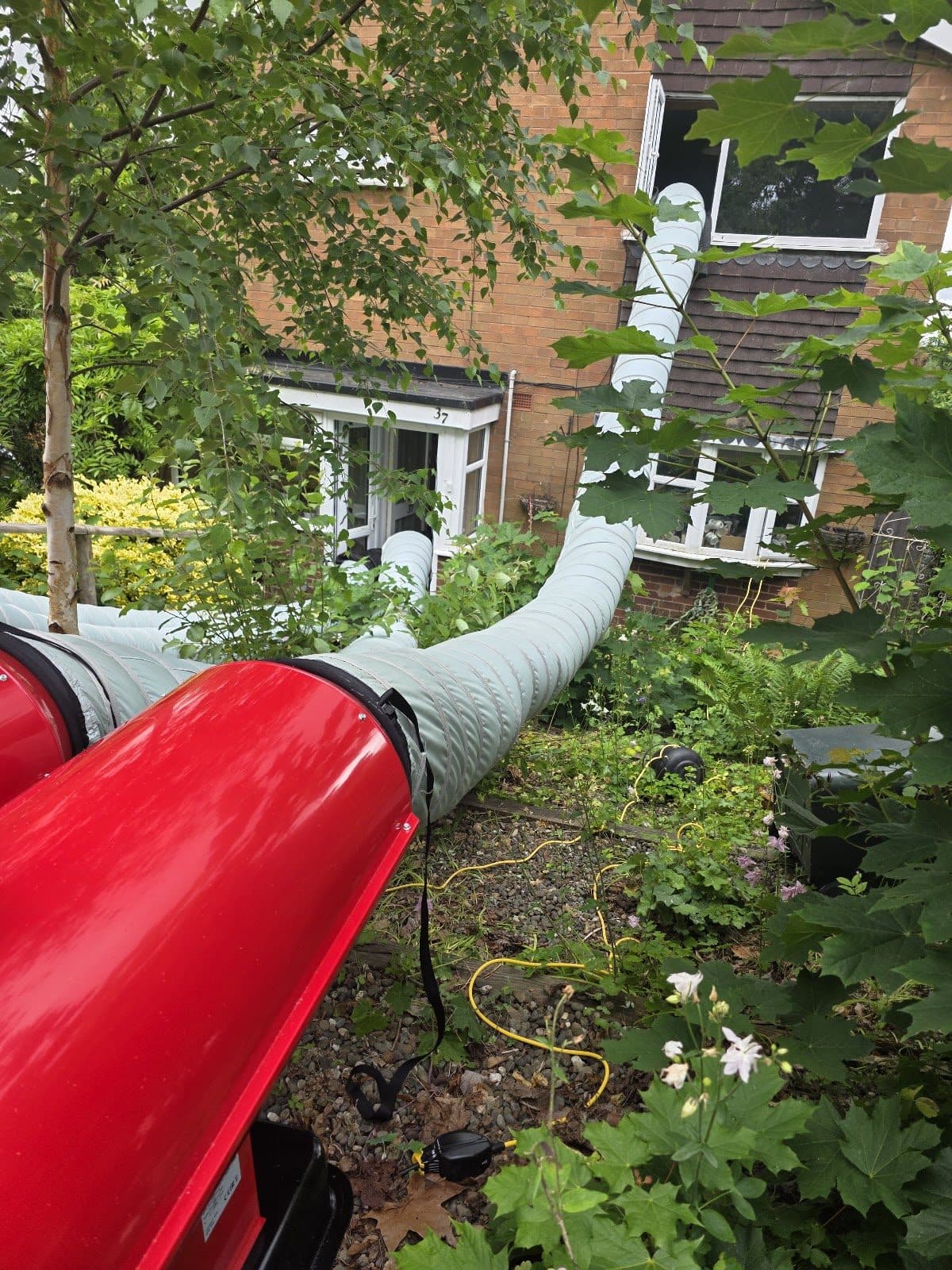
Postcodes we cover in Manchester:
M1
M2
M3
M4
M8
M14
M15
M16
M20
Postcode Coverage
We cover every part of Manchester including City Centre, Didsbury, Fallowfield, Rusholme, Chorlton, Hulme, Withington, Ancoats.
We cover all streets and neighbourhoods within the M1 postcode area, including City Centre.
We cover all streets and neighbourhoods within the M2 postcode area, including Didsbury.
We cover all streets and neighbourhoods within the M3 postcode area, including Fallowfield.
We cover all streets and neighbourhoods within the M4 postcode area, including Rusholme.
We cover all streets and neighbourhoods within the M8 postcode area, including Chorlton.
We cover all streets and neighbourhoods within the M14 postcode area, including Hulme.
We cover all streets and neighbourhoods within the M15 postcode area, including Withington.
We cover all streets and neighbourhoods within the M16 postcode area, including Ancoats.
We cover all streets and neighbourhoods within the M20 postcode area of Manchester.
Local Knowledge Matters
Manchester is one of the UK’s largest student cities, with dense terraced housing in Fallowfield and Rusholme, thousands of city-centre apartments, and a constant churn of tenants. High-density living lets bed bugs spread quickly between adjoining flats and shared HMOs.
Over-the-counter sprays fail because they can’t kill bed bug eggs. Our industrial heat treatment raises room temperatures above 50°C — the scientifically proven lethal threshold — eliminating all life stages in a single visit across M1, M2, M3, M4, M8, M14, M15, M16, M20.
All our technicians arrive in completely unmarked vehicles and wear plain clothing. Your neighbours, landlord, or hotel guests in Manchester will never know we’ve been.
One Stop for Bed Bugs in Manchester
We began as heat treatment specialists, and heat is still what we recommend for an established infestation. But not every Manchester property needs it, and not every Manchester property can have it. We now carry all three professional methods, so the treatment you get is the one your home actually needs — decided at a free survey, not over the phone.
How long have you had them? Start here.
The longer an infestation has been running, the further right you need to go — each band matches the treatment directly below it.
Professional insecticide worked into seams, frames and skirting. Best if bed bugs arrived in the last few days — a hotel trip, or second-hand furniture — and eggs have not yet been laid.
Commercial steam first — bed frames, headboards, mattress seams, skirting and wall-to-floor junctions — killing bugs and eggs on contact. Then mineral dust into the voids steam cannot reach. No known resistance.
The whole room above 50°C, killing every life stage in a single visit and reaching inside mattresses, furniture and wall cavities. Priced per room, and the more rooms we treat in one visit, the lower the per-room rate. The only method we back with a written 60-day guarantee.
Not sure which one your Manchester property needs? The free survey tells you — no call-out fee, no obligation. Call 0121 751 3341, 7 days, 9am–9pm.
Why Bed Bugs Affect Manchester
From Ancoats high-rises to packed student lets in Fallowfield, Manchester’s dense housing lets bed bugs travel between adjoining units through wall cavities and shared services.
International travel is the number-one way bed bugs enter UK homes. Residents of Manchester regularly travel for work and holidays, carrying bed bugs back in luggage.
Online marketplaces and charity shops across Manchester are common sources of infested furniture. Bed bugs survive months without feeding, hidden in seams and joints.
Hotels, B&Bs and Airbnb lets in Manchester face constant pressure from high guest turnover — a single infested guest can trigger a widespread infestation.
How It Works
Thorough room-by-room survey of your Manchester property at no charge.
Fixed price, no hidden fees. We explain exactly what’s needed before work begins.
Industrial heaters above 50°C — killing every bug and egg in a single visit.
Post-treatment check with calibrated thermometers to confirm total eradication.
Written prevention guide so your Manchester property stays bed bug free.
Manchester FAQs
Yes — we cover M1, M2, M3, M4, M8, M14, M15, M16, M20, including City Centre, Didsbury, Fallowfield, Rusholme, Chorlton, Hulme, Withington, Ancoats. Call us on 0121 751 3341 if unsure.
Manchester is within our service area. We typically respond same-day or next-day. Call 0121 751 3341 for immediate availability.
We always provide a completely free quote before any work begins — no call-out fee, no hidden charges. Call 0121 751 3341 or fill in the form below.
Completely. Heat treatment is 100% chemical-free. Your family and pets just need to be out during treatment and can return a few hours after.
No. We use completely unmarked vehicles and plain-clothed technicians. Discretion is a core part of our service.
Yes — we treat hotels, B&Bs, HMOs, and commercial premises across Manchester. We work around your schedule to minimise disruption.
Manchester’s housing packs an enormous range into a small area — Victorian terraces in Rusholme, Fallowfield and Moss Side, dense student housing, and the tower blocks and converted warehouses of the city centre. The student corridor south of the centre is among the highest-density shared housing in the country, and annual tenancy changes with furniture passed between houses make it a persistent route for bed bugs.
The city-centre apartment blocks and warehouse conversions present a different problem: shared service risers, exposed original brick and timber, and high occupant turnover give bed bugs both harbourage and routes between units. In a converted or shared building an infestation rarely stays in one flat, so we assess the whole structure rather than treating a single unit in isolation.