
How to Get Rid of Bed Bugs: The Complete UK Guide (2026)
Getting rid of bed bugs is not like dealing with most household pests. They hide in the tiniest cracks, they are increasingly resistant to insecticides, and their eggs survive treatments that kill the adults. This guide explains what actually works in 2026, what to avoid, and how to make sure they do not come back.
Why bed bugs are so hard to get rid of
Three things make bed bugs uniquely stubborn:
- They hide brilliantly — deep in mattress seams, wall voids, floorboard gaps and furniture joints, well out of reach of sprays.
- Eggs resist insecticide — even a spray that kills every adult often leaves eggs untouched, so the infestation restarts within a fortnight.
- Resistance is widespread — many UK bed bug populations are now resistant to the common insecticides, so chemical-only treatments increasingly fail.
Why DIY usually fails
Supermarket sprays, foggers and ‘bug bombs’ are the most common — and most expensive — mistake. They rarely reach where bed bugs hide, almost never kill eggs, and often scatter a colony into new rooms, making the problem worse. Diatomaceous earth and home remedies can kill the odd bug but never clear an established infestation. We cover this fully in can you get rid of bed bugs yourself?
What actually works: heat treatment
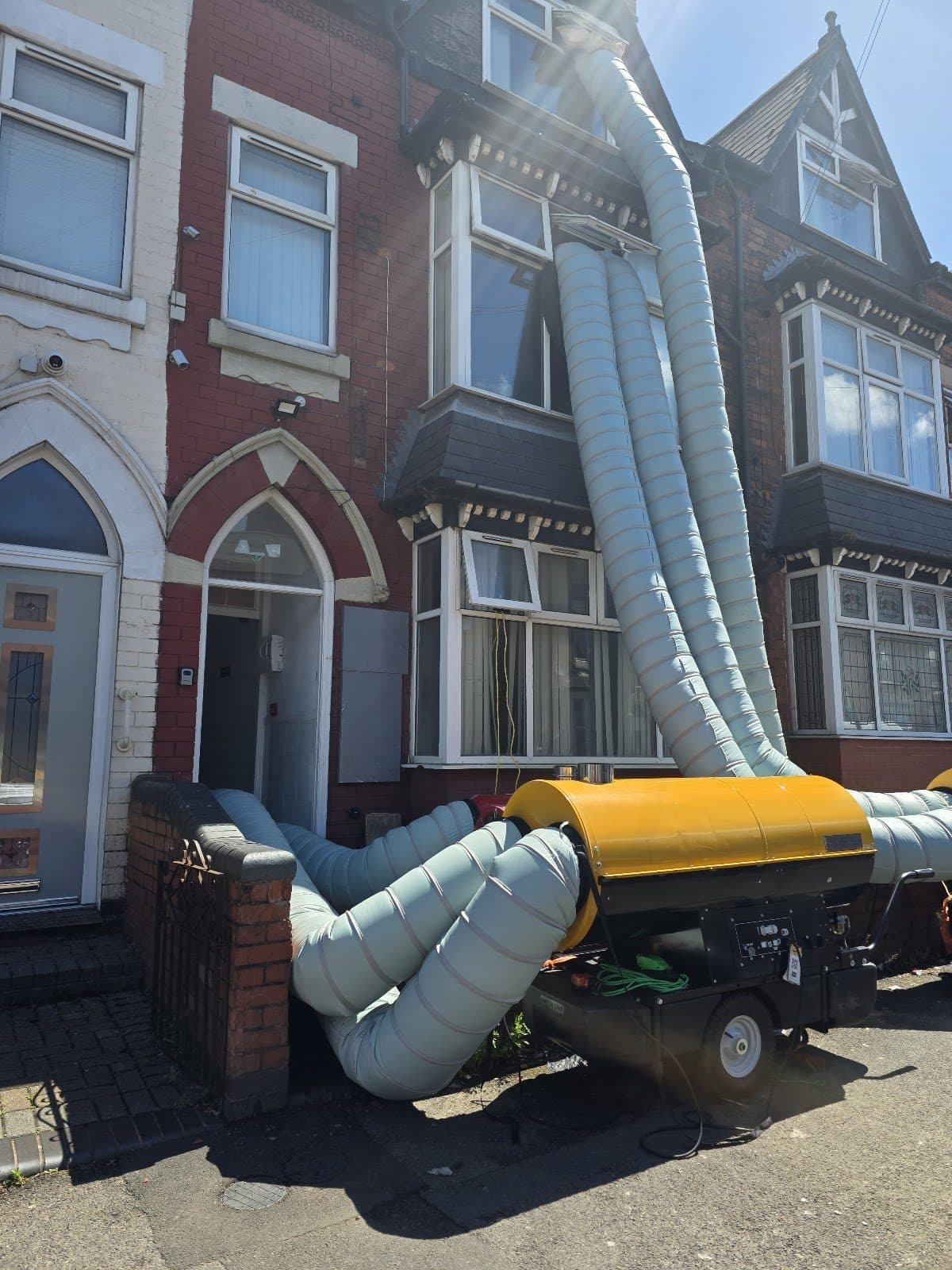
The most effective way to get rid of bed bugs is heat. Professional heat treatment raises every room in your home above 56°C — the temperature that is lethal to bed bugs at every life stage, including the eggs. Because heat penetrates mattresses, furniture and wall voids that sprays cannot reach, and resistance is irrelevant to heat, it clears the infestation in a single visit.
Our combined heat and spray treatment goes one step further: after the heat, we apply a residual barrier at key harbourage points to guard against reintroduction. One visit, every life stage, backed by a written 60-day guarantee.
What about chemical spray treatment?
Chemical spray has its place — for a very early, light problem caught within a few days, a single professional £175 spray visit can resolve it before eggs hatch. But as a standalone treatment for an established infestation, spray-only programmes mean multiple visits, weeks of disruption, and a real risk of eggs surviving. That is why we recommend heat for anything beyond the earliest stage.
How much does it cost?
Heat treatment is priced per room and fixed before you book; a spray-only visit is a flat £175. See our full UK bed bug treatment cost guide for typical figures. The most expensive route is nearly always the DIY one that fails and has to be redone professionally anyway.
How to stop them coming back
- Follow your treatment provider’s preparation and aftercare advice carefully — it protects the guarantee.
- Inspect and be cautious with second-hand furniture and after travel.
- Keep clutter down around the bed, which reduces hiding places.
- Act on any early sighting immediately rather than waiting.
Done properly, getting rid of bed bugs is a one-day job with a lasting result. The key is skipping the DIY dead ends and going straight to the method that actually works.
Frequently asked questions
What is the most effective way to get rid of bed bugs?
Professional heat treatment. Raising every room above 56°C kills bed bugs at every life stage including eggs, reaching the cracks and voids sprays cannot, and it is unaffected by insecticide resistance — so it clears an infestation in a single visit.
Can I get rid of bed bugs without a professional?
For an established infestation, realistically no. Shop sprays and foggers rarely reach where bed bugs hide, almost never kill eggs, and often spread the problem. DIY may kill a few bugs but leaves the colony to rebuild. A very early, light problem may be resolved by a single professional spray visit.
How long does it take to get rid of bed bugs?
With professional heat treatment, a single visit of roughly 6–8 hours clears the infestation, eggs included. Multi-visit spray programmes take weeks and carry a higher risk of eggs surviving between visits.