
Bed Bug Eggs: Why They Survive Sprays (and What Kills Them)
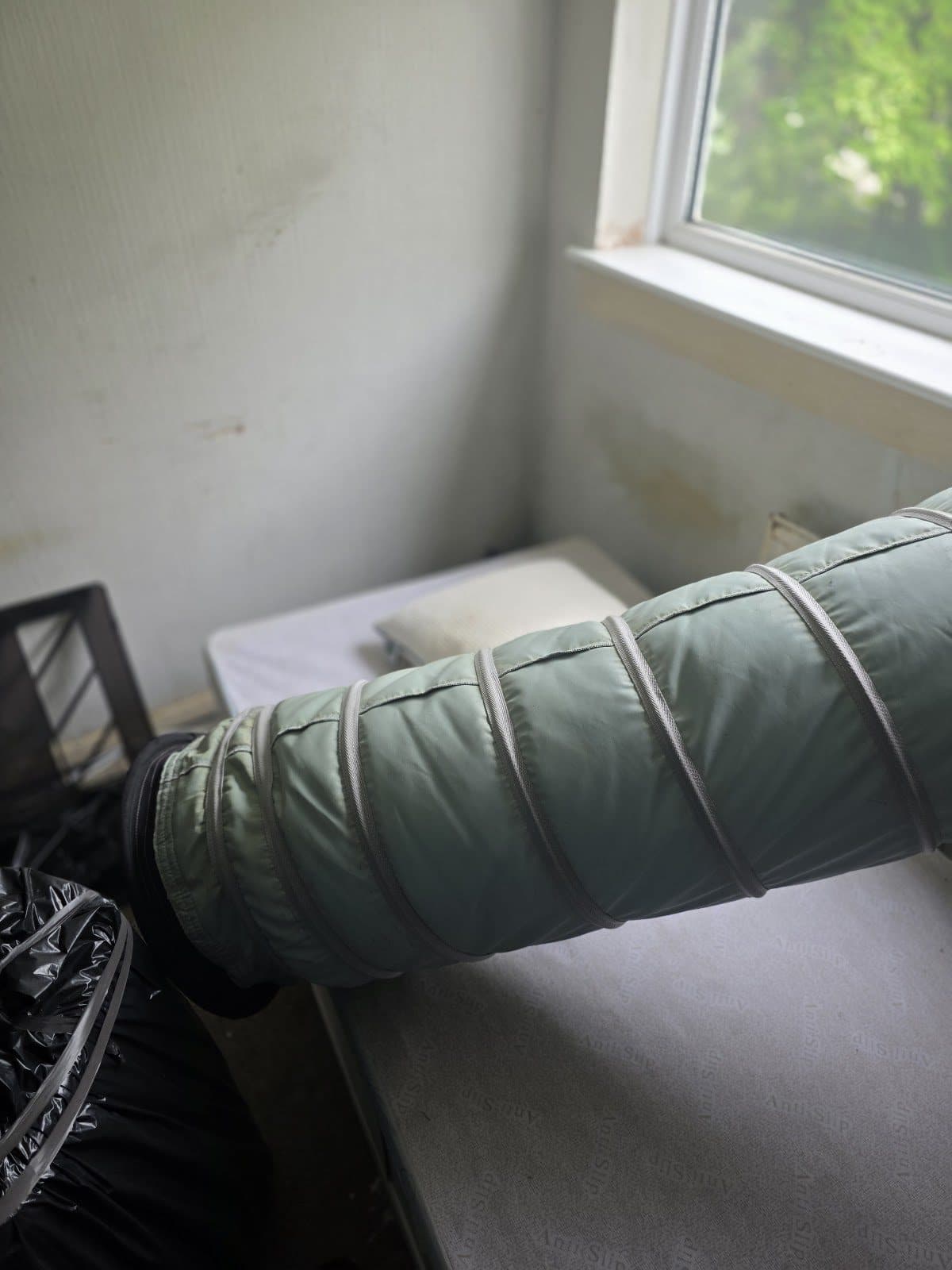
If a bed bug treatment seems to work and then the bugs return a couple of weeks later, there is almost always one culprit: the eggs. Bed bug eggs are the reason infestations come back, and understanding them explains why some treatments succeed while others fail.
What bed bug eggs look like
Bed bug eggs are tiny — about 1mm long, pearly white, and shaped a little like a grain of rice. They are laid in clusters and cemented firmly into cracks and crevices, which makes them very hard to remove by cleaning and easy to miss entirely. A single female can lay 200 to 250 over her lifetime.
Where bed bugs lay their eggs
Eggs are laid in the same sheltered harbourages where the adults hide: mattress and box-spring seams, bed-frame and headboard joints, cracks in furniture, behind skirting boards, and inside wall voids. These are exactly the deep, protected spots that a surface spray cannot reach.
Why sprays don’t kill the eggs
Two reasons. First, the eggshell itself is a physical barrier that resists most insecticides, so even a direct hit often fails to kill the developing bug inside. Second, UK bed bugs are now widely resistant to the common spray chemicals, so the newly hatched nymphs frequently survive contact too. The result is the classic pattern: the bites stop for a week or two, then come back worse as the next generation matures.
The tell-tale sign: an infestation that “came back” two to four weeks after treatment almost always means the eggs were never killed. That gap is the hatching cycle.
What actually kills bed bug eggs
Heat. Bed bug eggs die when their temperature is held above roughly 56°C, and unlike chemicals there is nothing an egg can do to resist it. Professional heat treatment raises the entire room — including the hidden voids where eggs are cemented — past that lethal threshold and holds it there, killing eggs, nymphs and adults together in a single visit.
This is the whole reason heat treatment is more reliable than spraying, and why we can offer a 60-day guarantee. Our heat vs chemical guide compares the two in detail, and our data-proof approach shows how we confirm the lethal temperature reached every part of the room — cold spots included, because a single cold spot is all it takes for eggs to survive.
Frequently asked questions
Do bed bug sprays kill eggs?
Most do not. Bed bug eggs have a tough shell that resists insecticide, so sprays that kill adults often leave the eggs to hatch a week or two later — which is why a sprayed infestation so often returns.
What temperature kills bed bug eggs?
Bed bug eggs die when held above roughly 56°C. This is why professional heat treatment works: it raises the whole room, including the hidden spots where eggs are laid, above that lethal threshold.
How long do bed bug eggs take to hatch?
About 6 to 10 days in typical indoor conditions. That hatching window is exactly why chemical programmes need repeat visits — and why missing the timing lets the cycle restart.
Why do bed bugs keep coming back after treatment?
Almost always because the eggs survived. If a treatment kills the adults but not the eggs, a new generation hatches within a fortnight. Heat treatment avoids this by killing eggs and adults together in one visit.